
Can be tailored to meet your doshic needs!
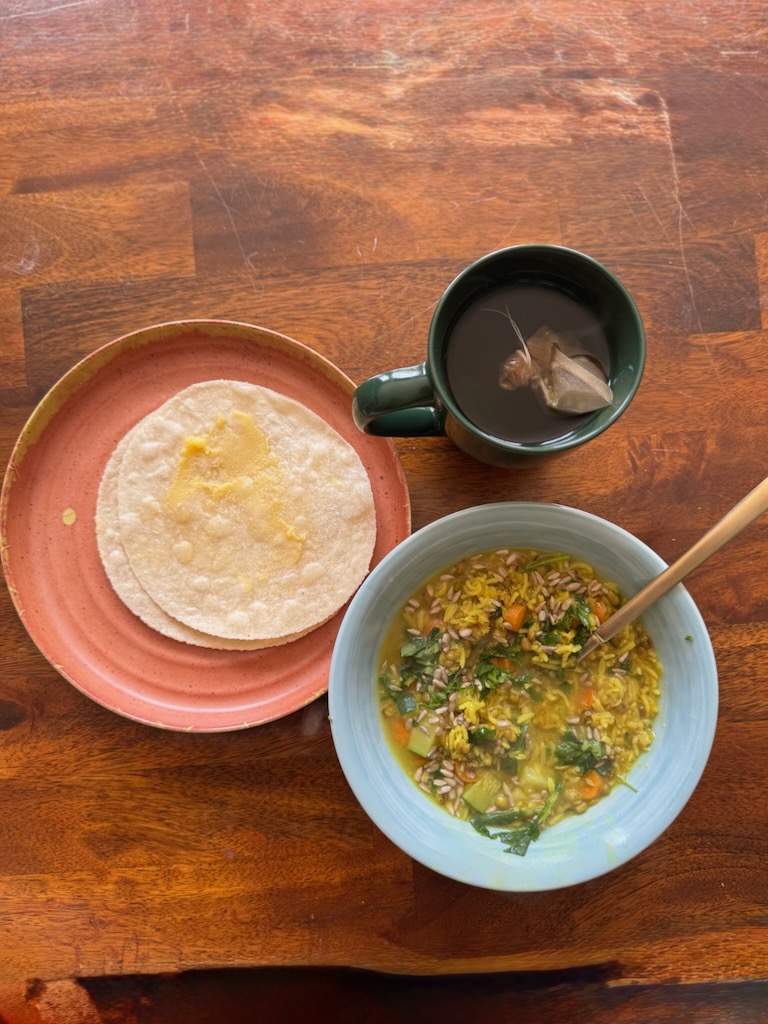
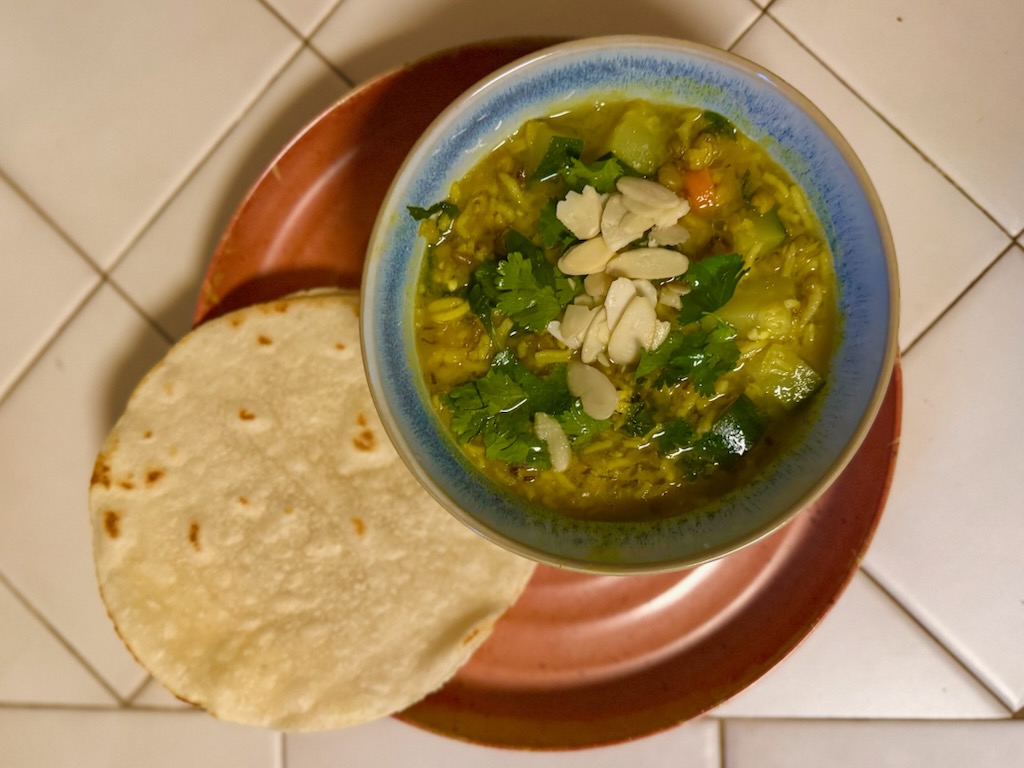
Kitchari has been something that I personally struggled quite a bit to get the hang of when I started cooking it. I was not super used to cooking with lentils and mung dal, and so I found myself a bit out of my element and uncomfortable. However, I quickly realized that kitchari can’t really be “messed up”. I now love playing with my kitcharis, and it has given me to the opportunity to be more creative and experimental in the kitchen. I love trying different spice & vegetable combinations, and different consistencies, creating a meal that is deeply nourishing and supportive to my body.
This is a basic kitchari recipe I’m sharing – I will include some ideas below about ways you can make this more individualized! The most important thing to remember is to have fun, let yourself be creative, and enjoy making and eating a dish that is deeply nourishing.
Before You Get Started:
You’ll want to gather:
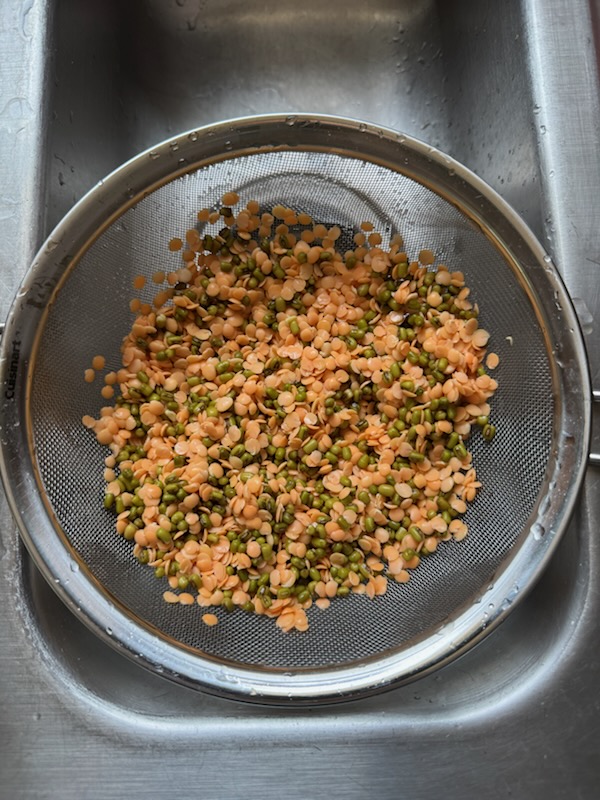
- 2 types of lentils: I generally use red lentils, whole or split mung beans, but you can also use brown or green lentils, adzuki beans, chickpeas, etc.
- Grain: Basmati rice is recommended. You could also use quinoa if you’re looking for a bit more protein.
- Veggies: Keep it colorful! I love to use kale, zucchini, sweet potato, mustard greens, broccoli, peas, carrots, etc. I do prefer to lean into what is more seasonally available as well. In my recommendation below, I will use carrots, zucchini, and kale.
- Spices: This can be tailored to the dosha(s) you are looking to support – the balancing nature of the dish. I generally use a combination of whole seed and powdered spices. I also enjoy using fresh grated ginger, and sometimes garlic depending on my goals. I recommend having your spices prepared and set aside prior to beginning preparing the kitchari so you can easily and swiftly add them as you cook.
- A note on turmeric: it helps to break down the beans quicker and helps to make them less gas forming! The curcumin in turmeric acts as an anti-inflammatory in the GI tract, helping to calm any irritation from the digestion of the beans. Learning this has really helped me enjoy eating beans regularly.
- Ghee: Ghee is used at the end of the kitchari process for a tadka if you wish. It can also be added to your bowl of kitchari for some extra deliciousness! You can make your own ghee following this recipe.
- Herbs: Fresh herbs really step up your kitchari. I love adding in fresh cilantro, but you can also use parsley or basil. Again, this can be based on your preference.
- Garnish: You can top your kitchari with lemon or lime juice, herbs, raisins, almonds, walnuts, sunflower seeds, pumpkin seeds, shredded coconut (plain), olive oil, ghee, sesame oil, red pepper flakes, etc. Your garnish choices can be used to make your kitchari more Vata, Pitta, and/or Kapha pacifying. I also love eating my kitchari with fresh roti or some Siete wraps warmed and topped with some ghee!
- Mantra: I love playing different mantra playlists while I cook, and I find it especially impactful when I cook. I sing along and let myself get immersed in the words and sounds. My kitchen fills with the intention and purpose of the mantra, and I find my meals feel so incredible as I eat them. Give this a whirl the next time you cook!
Ingredients:
- 1/3 cup split mung – rinse until water runs clear
- 1/3 cup red lentil – rinse until water runs clear
- 1/3 cup basmati rice – rinse until water runs clear
- 7-8 cups water
- 1 tsp turmeric
- 10 curry leaves (fresh preferred – may be able to obtain from indian market – can also leave out if not available)
- Powdered spice mixture: 1/2 tsp coriander seeds, 1/2 tsp cumin seeds, 5 peppercorns – ground (can also create
- 1/2 tsp coriander seeds
- 1/2 medium zucchini diced
- 1 large carrot diced
- 1 cup chopped kale
- Lime & lemon wedges
- Cilantro
- Garnishes as desired
Directions
- In your pot, add 7-8 cups of water and bring to a boil.
- Add the legumes and rice to the water and stir – keeping in mind we may need to add more water throughout to get the desired consistency.
- Once at a raging simmer, lower the temperature so it comes to a gentle simmer.
- Add 1 tsp of turmeric and the curry leaves.
- Add your powdered spice mix and fresh ginger and/or garlic.
- Add your vegetables from hardest to softest.
- Add carrot and stir clockwise. You may need to add a little more water here.
- Add zucchini and stir clockwise.
- Once your kitchari is nearing completion, add the chopped kale and stir clockwise.
- Add 5 finger pinch of salt (rock salt, Himalayan pink salt)
- Tadka:
- While the dish simmers on low heat, we’ll make the Tadka.
- In a small saucepan, melt 1 Tbsp ghee.
- Add 1/2 tsp cumin seeds and 1/2 tsp fennel seeds to the ghee – stir.
- You can add a bit more fresh ginger or garlic here.
- Add powdered spices. Note that dry spices can burn very easily, so only cook for 5-7 seconds in the hot oil.
- Ladle in some of your kitchari to the pan and stir.
- Add the Tadka to the main kitchari.
- Garnish with 1/4 lime wedge juice, 1/4 lemon wedge juice, 1/3 cup fresh cilantro. You can also top with sesame seed oil, ghee, slivered almonds, coconut, walnuts, red pepper flakes, or any of the other garnishes listed above/that are balancing for you!
 The Hero's Journey Ayurveda
Leave a comment