
Autumn exists to remind us that things must end to begin again. 🍂

I absolutely love this quote, and the reminder that while we see nature begin to turn inward, the natural world slowly releasing and decaying, these seasons of death ultimately offer the opportunity of rebirth. We are given the opportunity to retreat inwards and lean into stillness and nourishment, which are especially important in autumn.
This season is ruled by Vata dosha. Vata is considered the king dosha – its the most likely to go out of balance, and about 80% of disorders and disease can be attributed to Vata disturbances. Why is this? Because the elements that comprise this dosha are air (vayu) and space (akasha). These elements are not grounded or stable; they are ethereal, moving, dry, cold, and rough.
The transition into a Vata season can bring about anxiety and a general feeling of being unsettled. Thankfully, Ayurveda offers us ways we can counteract this through daily routine and dietary adjustments, herbs, teas, and complementary practices that support balance in the fall.
Please remember: always follow your physician’s guidance. The practices below are intended as supportive options, not medical advice.
Daily Routine
Vata benefits greatly from structure. Its flighty, spacey nature needs the groundedness that comes from routine. Some of the most important things we can do to support structure in our day-to-day are:
- Aim to be asleep by 10pm, and awake by 6am.
- Keep regular mealtimes, with lunch being the heaviest meal of the day (our digestive fire, or agni, is strongest midday).
- Maintain a daily meditation practice (walking, guided, TM, group, yoga nidra – whatever works for you!).
- Keep a regular yoga asana practice focused on grounding postures and flows (come flow with me Thursday evenings at True Light Yoga in OC 😉, or try a some slow-flow practice on YouTube).
- Spend time in nature while also keeping the head, neck, hands, feet warm & covered.
- Get regular physical exercise, but avoid excess strain.
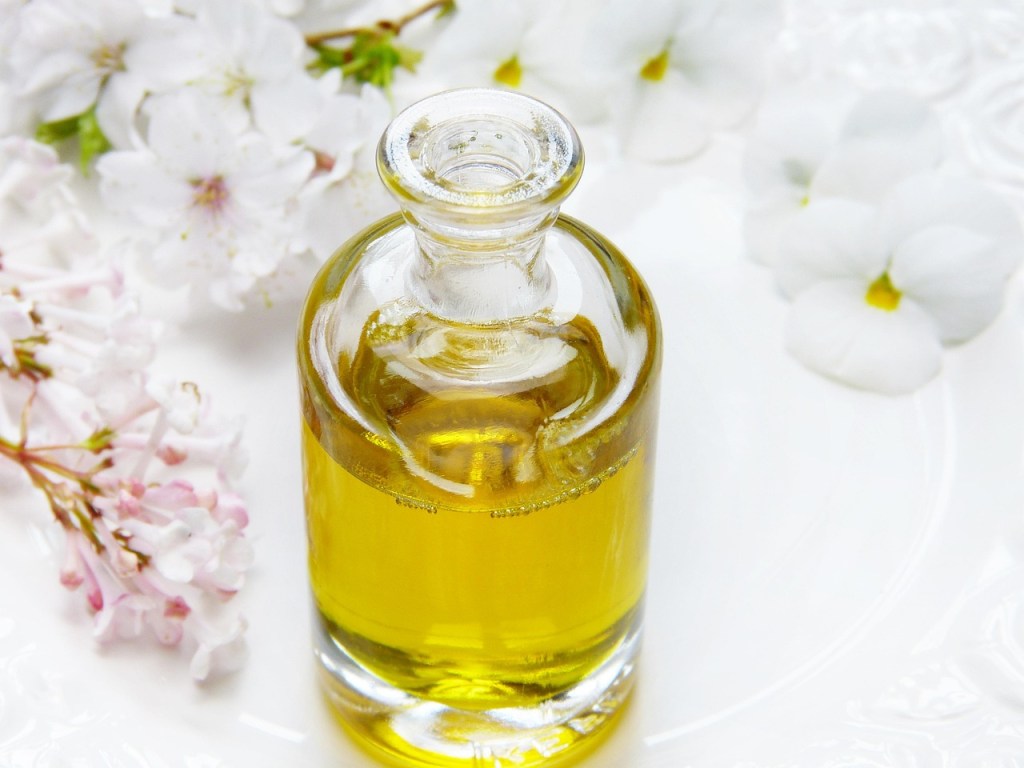
- Use a high-quality nasya oil twice daily – in the morning and before bed.
- Maintain or begin a daily abhyanga (self-massage) practice. Not only does it benefit the health of our musculoskeletal and nervous systems, it helps to maintain lubrication of the skin and joints, helps with sleep, and improves overall nourishment. Here is a guide from Banyan Botanicals to learn more. I personally love their Daily Massage Oil and Brahmi Oil (which I apply to my feet before bed).
Dietary Considerations
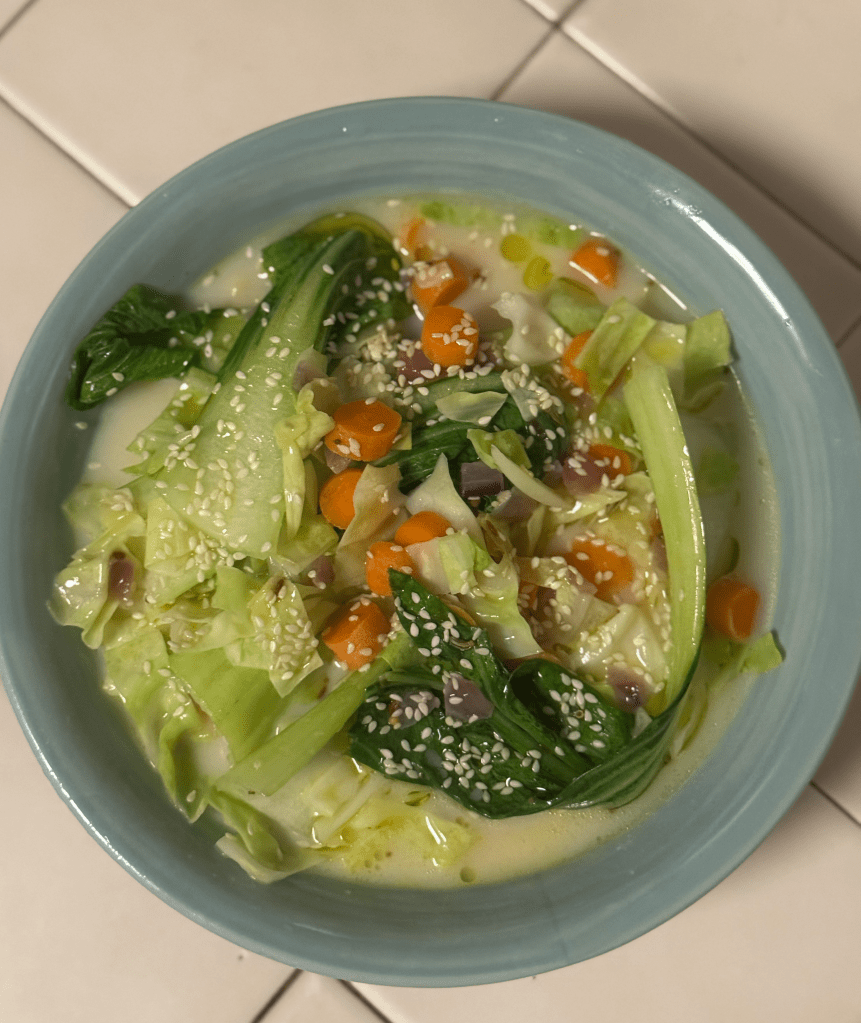
The dry and rough qualities of Vata make it very easy for us to experience digestive imbalances, namely constipation, bloating, gas. To counterbalance this, we aim to have nourishing, warm stews, soups, dahls filled with wholesome ingredients.
Items to Favor:
- Veggies: Asparagus, squashes, zucchini, fennel, carrots, tomatoes, artichokes, cucumbers, okra, broccoli, spinach, chard, sweet potatoes.
- Oils: Be sure to use healthy oils like olive oil, tallow, and ghee. A high quality sesame oil is also recommended in Ayurveda.
- Spices: Cumin, ginger, fennel, mustard seeds, celery seeds, fenugreek, fresh garlic, cinnamon, cardamom, anise, turmeric (small amounts).
- Fresh herbs: Basil, parsley, coriander
- Fruits: Sweet grapes, plums, kiwi, peaches, apricots, mangoes, papaya, dates, pineapples, berries, oranges, grapefruit. Dried fruits can be soaked in water before eating.
- Grains: Couscous, whole wheat, bulgur wheat, quinoa, amaranth, basmati rice, pasta (small amounts).
- High-protein foods: Mung dahl, lentils, nuts, and meats like chicken, fish, turkey, eggs.
- Dairy: Boiled warm milk, yogurt, lassi, and soft cheeses like cottage cheese, fresh mozzarella, panir, ricotta, and goat cheese.
Some things to avoid:
- Carbonated drinks and stimulants (caffeine, chocolate)
- Heavy foods like hard cheeses, frozen meals, fried foods
- Raw vegetables (except if freshly juiced)
- Alcohol, tobacco
- Onions, hot spices (chilies, cayenne, salsa, red peppers)
- Sugary foods
- Reduce bananas (or eat midday), dried fruits
- Large dried beans (pinto, kidney, black)
Other Considerations:
- You may want to keep a thermos of hot or warm water with you throughout the day, and sip on it every 30 minutes or so until sundown. You can add fennel and coriander seeds to the water as well for an herbal digestive tea.
- Other great herbs for Vata: Lavender, Chamomile, Tulsi, Ginger
- Ghee is great for digestion and our immunity. It oleates (lubricates), and is considered a rasayana (rejuvenator) in Ayurveda. You can use it for cooking or just add it to food! If you have issues with cholesterol, discuss with your doctor and use sparingly. You can make your own ghee using the Hero’s Journey ghee recipe!
- Lassi can be made very easily! Blending one part yogurt and one part yogurt, add in some digestive spices (cumin, coriander, some pepper, pinch salt).
- Mung dhal is one of the most digestible legumes. If you struggle with digesting legumes, try cooking them with turmeric and and adding a bay leaf in.
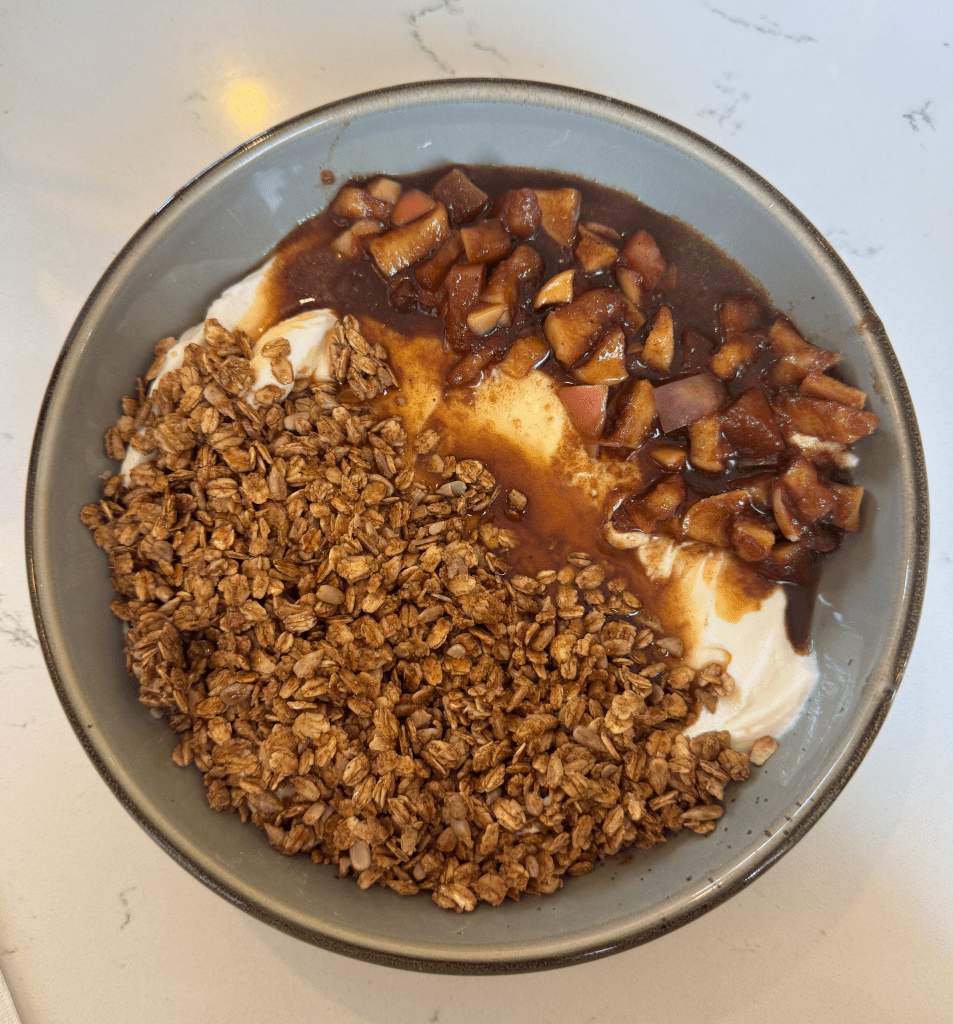
- Cooking fruit makes it much easier to digest. Try having stewed apples for breakfast cooked in ghee, cinnamon, and cardamom!
- Make sure you have appropriate fiber sources like cooked green leafy veggies, whole grains, blended seeds (sunflower, pumpkin, sesame, flax), lentils, chia, oats, avocados, etc.
Mindfulness and Movement

Cultivating mindfulness practices and a supportive movement routine are key for balancing Vata. As mentioned above, maintaining regular meditation and exercise routines are very important.
Exercise that is grounding for Vata dosha include walking, yoga asana (slow flows, Hatha, Maharishi Yoga Asanas), tai chi, chi gong, cycling, and swimming (stay warm!). It is ideal to exercise during the Kapha time of day (6am to 10am). Kapha is opposite of Vata in most qualities, and so making time for even 20 minutes of grounding, stabilizing movement during this time is great for Vata.
If you’re the kind of person that enjoys more vigorous exercise, try adding in grounding practices to help support your body during this season. Can you attend a yin yoga class to supplement your CrossFit routine? Maybe you create an intention for your workout and gently bring your focus and breath in line with this intention throughout – creating a grounding and centering experience for yourself.
Other practices that can be very supportive to the body, mind, and spirit during this season are Nadi Shodana Pranayama (alternate nostril breathing), yoga nidra, and listening to or reciting a So Hum mantra (shown above).

A Note
All of the above recommendations are ideas for how you can create a sense of grounding and stability during a season that draws us towards a lot of unsteadiness. In cultivating balance, be sure not to overload your plate. Be intentional about how you set yourself up for success. Maybe you begin with one of these recommendations. Maybe you cook at home one more night a week than normal. Maybe you take 5 deep breaths in the car after work to settle your mind and body. Even one of these steps is a step in the direction of nourishment and balance.
P.S. Please know that I myself love an apple cider donut, and pumpkin spice lattes, and Hocus Pocus themed charcuterie boards. When you indulge, enjoy it. We get to experience this one life, and so if you’re taking care of yourself in the day-to-day, cultivating a healthy mind, body, and spirit, why not indulge? Its all about balance after all.
P.P.S. If you fall victim to the back-to-school, fall-time cooties, be extra mindful to care for yourself. Seek care from a doctor if you’re truly not feeling well. Get enough rest, stay hydrated, snuggle up under some blankets. If you’re prescribed medications for an illness, try shifting your mindset with gratitude: “Thank you, medicine, for helping my body heal“, “I am taking this step to care for myself“, or “I am grateful for my body and the support its receiving“. This seemingly simple shift can make all the difference. Remember: your cells, down to the very fiber of your being, are listening.
I wish you a warm, joyous, and expansive Autumn. ⭕️
Amy
 The Hero's Journey Ayurveda
Leave a comment